Primary schools are increasingly integrating sustainability and climate change into their curriculum and operations to prepare students for a greener future. Key strategies include appointing sustainability leads, developing climate action plans, creating eco-teams, and we use resources from organisations like NASA Climate Kids, RHS, Woodland Trust and National Geographic to help plan our annual environmental work.
Our sustainability lead is Anna Jones, Headteacher
She is supported by Jodie Brown, School Business Manager, Dave Lupton, Site Maintenance Officer and Amanda Dimmock, Science Lead.
- At Black Firs Primary School we are committed to educating pupils about the importance of respecting the environment and promoting sustainable development. We recognise we have a duty to equip pupils with the knowledge and skills to look after our planet, to manage the world’s resources wisely and to make a positive contribution to improving our local area.
- It is important for the school community to have an awareness and understanding of the effects of their negative and positive actions upon the environment in which they live, work and relax. In order to do this, we need to take responsibility for our own actions, and we need to have a sense of duty and care for the world in which we live.
- Furthermore, we understand our school is at the heart of our community and therefore have the responsibility of being local leaders in behavioural changes and sustainable practices. We therefore aim to develop good habits and behaviour patterns amongst staff and pupils and to educate and inspire our wider community.
Key Aspects of Sustainability in our Primary School:
- Curriculum Integration: We teach climate change across subjects, not just in science, with a focus on nature, biodiversity, and sustainable development. In 2024 we worked with Chester Zoo to develop our sustainability planning and attended a sustainability conference as part of our trust commitment to developing sustainability education. We take part in the RSPB annual bird watch and wild challenge. We are fortunate to have our own wildlife woodland area and school pond to help bring learning to life for our pupils.
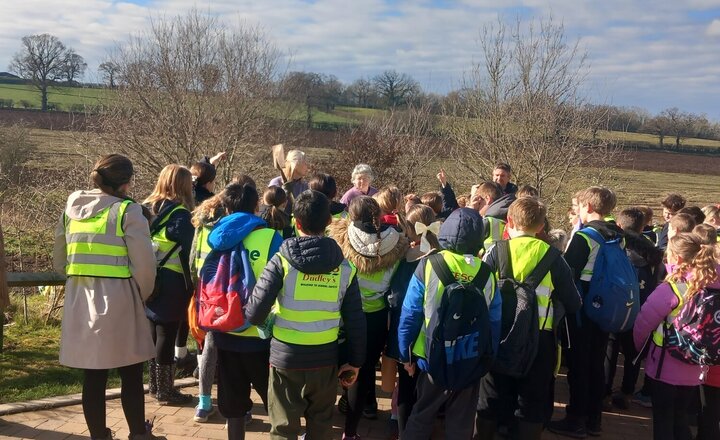
- Action-Oriented Learning: We run our annual gardening Club and participate in Trees for Congleton initiatives (last year our Year 6 pupils helped to plant 600 trees for a new Mini-Forest Project for example), We have our own Eco-Club, and we also work with our trust estates team to conduct projects on energy saving, waste reduction, and food.
- Environmental Initiatives: Implementing school-wide changes such as rewilding unused land- in 2025 we planted over 400 saplings across our school site with the support of the Woodland Trust to create a living legacy project, improving energy efficiency (e.g., LED lights, insulation), and managing waste. In the summer of 2025 for example we had all of our lighting changed to energy saving LED lights. We have had our school roof replaced in 2025-2026 to help reduce energy consumption and we are also looking at window replacements to help reduce energy loss.
‘What we do today, matters tomorrow.’
Related News
1 April 2025